Leave a Message

Thank you for your message. I will be in touch with you shortly.

Smoky Mountains Real Estate Trends For STR Investors

February 5, 2026

Thinking about a Smoky Mountains short-term rental but unsure how the market is moving? You are not alone. Sevier County is unique because tourism drives demand across seasons and across property types, from cozy condos to large-view cabins. In this guide, you will learn what to watch with pricing and inventory, how cabins compare to condos, the STR metrics that matter, and a practical due diligence checklist for Sevier County. Let’s dive in.

Smokies demand drivers

Year-round tourism base

Great Smoky Mountains National Park is the most visited national park in the country and draws well over 10 million visitors in many recent years. That steady flow supports short-term rental demand across Sevier County, including Gatlinburg, Pigeon Forge, and Sevierville. Major attractions such as Dollywood, downtown Gatlinburg’s shops and dining, and outlet shopping add consistent, family-focused reasons to visit.

Seasonality and booking patterns

Demand is highly seasonal. Peak periods usually run from late spring through summer and again in the fall foliage months. Holiday weeks and long holiday weekends see strong rates, especially for larger cabins. Shoulder seasons can be thinner for remote properties, while walkable condos near attractions often keep steadier occupancy year-round.

Cabins vs. condos in Sevier County

Cabins: revenue profile

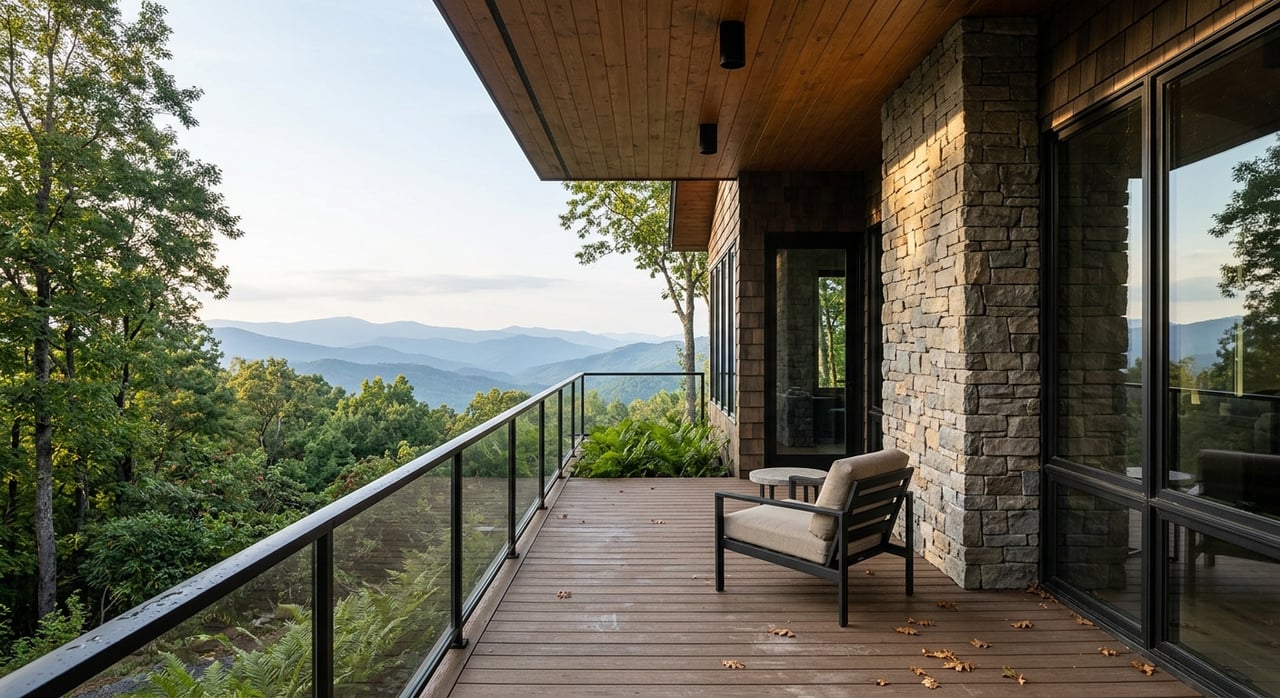
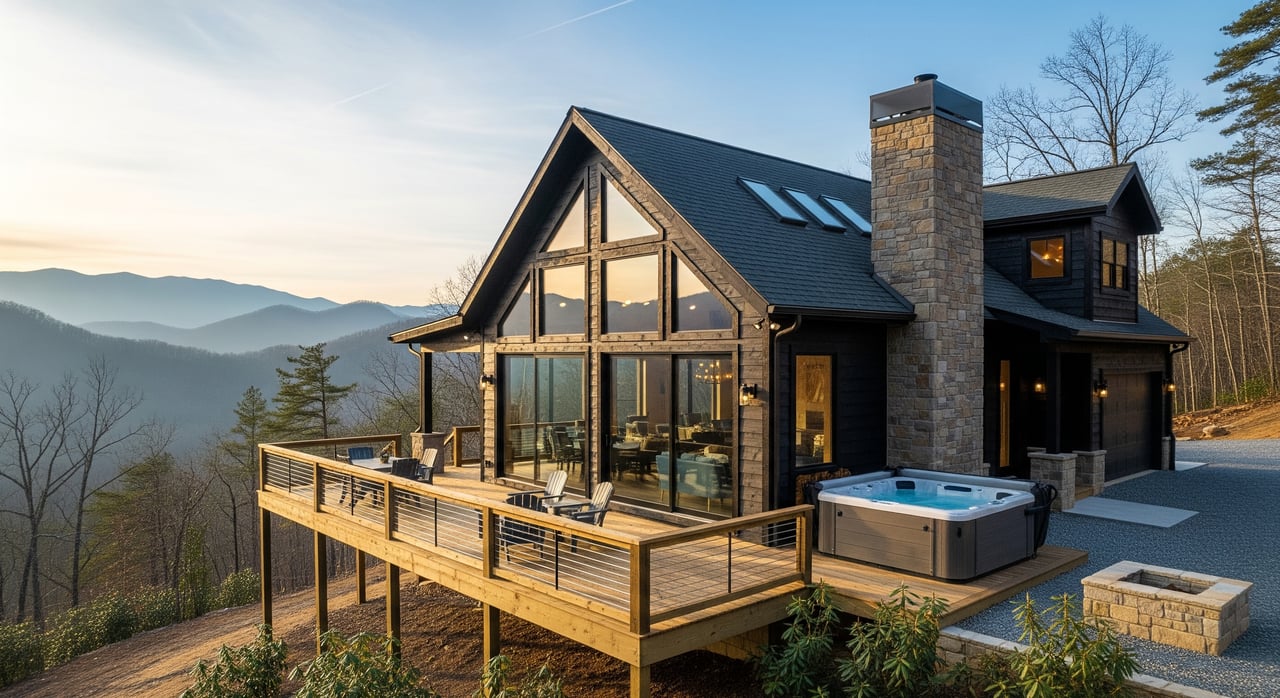
  • Pros: Higher ADR potential, strong appeal for families and groups, and premium pricing for privacy, mountain views, and amenities like hot tubs and fireplaces.
  • Cons: Higher operating and capital costs, more wear and tear, and potential winter access issues. Off-peak occupancy can dip if the cabin is far from town or attractions.

Cabins often outperform on peak weeks and holidays when groups book larger spaces and pay for features such as views and proximity to trailheads. But you should budget conservatively for maintenance, utilities, and repairs.

Condos/townhomes: revenue profile

  • Pros: Lower maintenance and often steadier year-round occupancy, especially in walkable locations near downtown Gatlinburg or Pigeon Forge attractions.
  • Cons: HOA restrictions, possible special assessments, and parking or unit-level limits that can reduce appeal for larger parties.

Condos tend to attract couples and small families who want easy access to restaurants, attractions, and park entrances. Many HOAs cover some utilities, which can simplify your monthly expenses.

Pricing signals and inventory to track

Median prices and list-to-sale ratios

Compare cabins and condos on both median sale price and price per square foot or per bedroom. Watch list-to-sale ratios to see how much negotiation the market is allowing. Larger pricing gaps between list and closed prices can signal softening segments.

Days on market and buyer demand

Days on market (DOM) helps you gauge buyer urgency. Rising DOM suggests price resistance, while falling DOM can indicate competitive buying. Reviewing 12 to 24 months of local MLS trends will help you set realistic offer strategies.

Supply growth in active STRs

Monitor the number of active STR listings. If supply rises faster than visitor demand, occupancy and ADR can face pressure. Align your underwriting with local supply trends and focus on properties with clear differentiators such as views, hot tubs, or walkable locations.

Reading STR performance data

Core metrics to benchmark

  • ADR: The average nightly rate you command.
  • Occupancy: The percentage of booked nights.
  • RevPAR: Revenue per available night, a quick way to compare overall performance.
  • Supply growth: The count of active STRs over time in your submarket.
  • Minimum stay and average length of stay: Policies that impact turnover and booking volume.
  • Booking lead time: How far in advance guests book, which shapes pricing strategy.

Benchmark against true peers by bedroom count, amenities, and location. Even small differences in drive time to Dollywood, downtown Gatlinburg, trailheads, or main corridors like US-441 and US-321 can shift both ADR and occupancy.

Location and amenity impact

Properties closer to attractions or park entrances often keep steadier occupancy during shoulder months. Mountain views, modern kitchens and baths, strong Wi-Fi, and well-staged photography help push ADR higher. Clear parking, easy access, and safety features also influence guest reviews and repeat stays.

Expenses and underwriting basics

Typical operating costs

  • Property management: Commonly 20 to 35 percent of gross rental revenue, depending on services and season.
  • Cleaning and turnover: Often passed to guests, but frequency and standards affect your net results.
  • Utilities: Cabins typically carry full utilities; some condo HOAs cover portions.
  • Maintenance and capital items: Roof, HVAC, decking, hot tubs, and exterior upkeep can add up in mountain weather.
  • Insurance: Confirm coverage for STR use and appropriate liability limits.
  • Taxes and fees: Property taxes, occupancy/tourism taxes, platform commissions, software, supplies, and reserves.

Budget conservatively for mountain wear and tear. A strong reserve for unplanned repairs protects your cash flow and helps you avoid forced rate cuts.

Quick formulas you can use

  • Gross rental revenue = ADR × occupied nights
  • NOI (Net Operating Income) = Gross rental revenue − operating expenses
  • Cap rate = NOI ÷ purchase price
  • Cash-on-cash return = Annual pre-tax cash flow ÷ initial cash invested
  • Break-even occupancy (%) = Annual operating expenses ÷ (ADR × 365) × 100

Run low, base, and high scenarios for both ADR and occupancy. Sensitivity testing helps you plan for seasonality and potential supply shifts.

Operational choices that move the needle

  • Minimum-night policies: Longer stays lower turnover costs but may reduce booking volume.
  • Dynamic pricing: Use lead times, seasonality, and local events to price nights in real time.
  • Channel mix: Balance Airbnb, VRBO, and direct bookings to reduce fees and smooth occupancy.
  • Management approach: Self-manage for higher effort and potentially higher margins or hire a pro for hands-off execution and marketing reach.
  • Competitive upgrades: Professional photos, compelling listing copy, modern interiors, hot tubs where allowed, and dependable Wi-Fi.

Regulations, taxes, and permits

Gatlinburg, Pigeon Forge, and Sevierville each have their own registration steps for STRs, which can include a business license and inspections. Sevier County and the municipalities collect occupancy or tourism taxes, and hosts commonly collect and remit applicable state and local hotel taxes. HOAs may set minimum stays or cap rentals. Always verify zoning, parking requirements, septic or well permits, and any fire or flood considerations before you buy.

Sevier County due diligence checklist

  • Confirm zoning and STR permit eligibility for the property and complete required inspections.
  • If purchasing an operating rental, request historical ADR, occupancy, gross revenue, and platform payout records.
  • Validate gross receipts and occupancy tax remittance with the seller, if available.
  • Review HOA covenants, minutes, and rental rules for restrictions or special assessments.
  • Inspect major systems: septic, well, roof, HVAC, decking, and confirm winter access and road maintenance.
  • Verify utility costs and which items are owner-paid versus covered by an HOA.
  • Analyze at least 6 to 12 comparable rentals by bedroom count, amenities, and proximity to attractions.
  • Underwrite pessimistic, baseline, and optimistic scenarios for ADR and occupancy.
  • Obtain insurance and financing quotes before finalizing your offer.

What to watch this year

Mountain markets saw sharp appreciation in 2020 and 2021 as travel demand surged for drive-to stays. Many resort markets then reported cooling and some inventory growth in 2022 through 2024. In Sevier County, focus on current MLS trends for median prices, DOM, and list-to-sale ratios, and keep an eye on the count of active STRs. If you stay disciplined on underwriting and location, you can position your property to capture peak seasons and protect off-peak performance.

Ready to invest with local guidance?

If you want clear comps, practical underwriting help, and introductions to trusted local vendors and managers, you are in the right place. Work with a local specialist who understands how bedroom count, views, access, and proximity to Dollywood or downtown Gatlinburg shape returns. Start your strategy session with Michele Harrill and get a plan tailored to your goals.

FAQs

Are short-term rentals allowed across Sevier County?

  • Many areas allow STRs, but you must follow local rules for registration, business licensing, inspections, and taxes in Gatlinburg, Pigeon Forge, and Sevierville, and confirm HOA restrictions for any community.

How do cabins and condos compare for STR ROI?

  • Cabins often command higher ADRs and peak-season revenue but carry higher maintenance and capex; condos usually have steadier occupancy and lower upkeep, especially in walkable locations.

When are the highest revenue months in the Smokies?

  • Late spring through summer and the fall foliage season typically lead, with strong holiday weeks and long weekends; shoulder months can be thinner unless your property offers strong location and amenities.

What is the biggest risk for Smoky Mountains STR investors?

  • Oversupply that increases competition, unexpected large repairs for cabins, and regulatory changes that add restrictions or costs.

How can I validate a seller’s STR income claims?

  • Request platform calendars and payout records, occupancy tax filings, and tax returns, and compare to third-party STR market data for similar properties by size, amenities, and location.

Which metrics should I track after I buy?

  • ADR, occupancy, RevPAR, booking lead time, minimum-stay performance, and your local supply trend for comparable properties by bedroom count and location.

Work With Michele

Partner with Michele Harrill for a seamless, professional real estate experience in Tennessee. With expert market knowledge, personalized guidance, and a dedication to your success, Michele ensures that buying or selling your home is stress-free and rewarding.