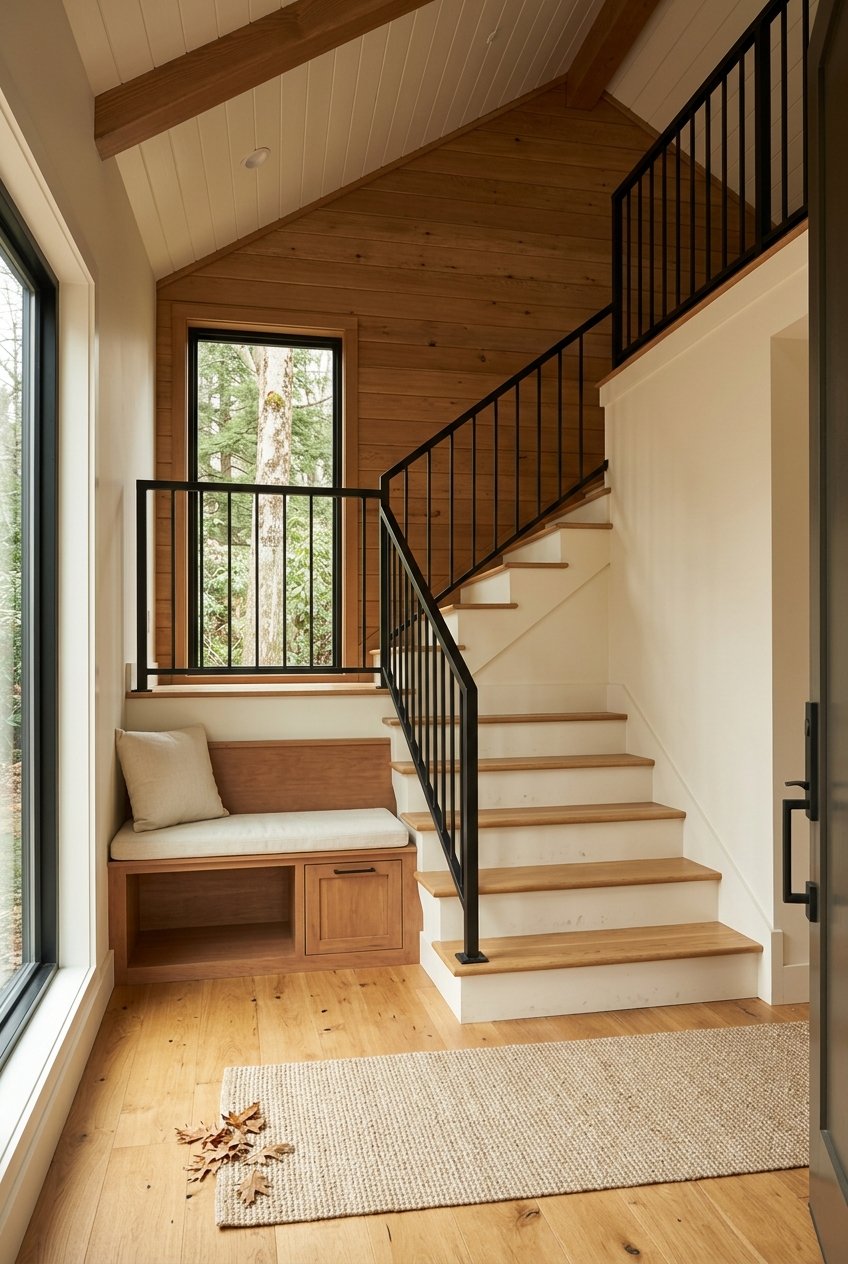
How to Buy a Smokies Cabin From Out of State
May 28, 2026
May 28, 2026
Buying a Smoky Mountain cabin from another state can feel exciting right up until the details start stacking up. You may be picturing mountain views, a future vacation spot, or rental income, but in Sevier County, the fine print matters just as much as the photos. If you want to buy with confidence in the 37738 area, this guide will show you what to verify before you make an offer, how remote closings can work, and which local rules can affect your plans. Let’s dive in.
In the Smoky Mountain market, one of the first things you need to confirm is where the cabin actually sits. A property in Gatlinburg can follow different short-term rental rules than a property in Sevierville or unincorporated Sevier County.
That matters because permit requirements are not the same. Gatlinburg requires the property to be properly zoned and permitted for overnight rentals. Sevierville requires an annual short-term rental permit. Unincorporated Sevier County requires a short-term rental permit and an on-site inspection through its STRU program.
If you are buying for personal use with occasional rental plans, or you are focused on income from day one, this step should come before you rely on any rental projection. A great-looking cabin is not enough if the parcel’s location changes what you can legally do with it.
Permit files can tell you a lot that a listing may not. Local applications may include details like the cabin’s bedroom count, number of stories, square footage, maximum occupancy, rental unit name, and local contact or management information.
For an out-of-state buyer, those details help you compare the listing description to the property’s actual operating records. If there is a mismatch, you will want to understand it before you move forward.
If you hope to increase occupancy after closing, do not assume that is a simple update. Sevier County says the building department should confirm the certificate of occupancy first, and higher occupancy can trigger added code-compliance requirements.
In other words, sleeper count affects more than marketing. It can affect compliance, safety requirements, and your investment assumptions.
When you are buying from out of state, paperwork becomes one of your best tools. Before you write an offer or during your earliest due-diligence window, ask for the documents that help you verify condition, legal use, and past operations.
Tennessee’s Residential Property Disclosure Act generally requires sellers of residential real estate to provide a disclosure statement. That disclosure can cover the property’s age, amenities, known defects or malfunctions, environmental hazards, flood or drainage issues, encroachments, and unpermitted work.
For remote buyers, this is especially important because you may not be able to catch warning signs in person. A complete document trail can help you spot issues earlier and ask better follow-up questions.
Ask for as many of these as apply to the property:
Sevier County’s buyer and seller guidance specifically says buyers should verify the certificate of occupancy, check with the Property Assessor’s office that the parcel is in an area that allows short-term rentals, obtain the original application date, and collect inspection reports connected to the permit file.
If you cannot visit in person before buying, inspection becomes even more important. A home inspection gives you an independent look at the property’s condition, and it is not the same thing as an appraisal.
The Consumer Financial Protection Bureau recommends scheduling an independent home inspection as soon as possible. It also notes that if your contract includes an inspection contingency, you may be able to cancel without penalty if serious issues are found.
Cabins in the Smokies often come with systems that deserve extra attention. Water and wastewater are two of the biggest examples.
Tennessee guidance says private water supplies are usually wells or springs, and water quality from private supplies is largely unregulated. Well owners are advised to test annually for coliform bacteria, nitrates, and other constituents of concern.
If the property uses a well or septic system, treat that as a review item, not a deal-breaker. Tennessee also provides public data viewers with groundwater protection permit and water well information, which can help you research environmental records before closing.
Flood risk should also be checked early, especially if the cabin is near water or in a lower-lying area. Gatlinburg participates in the National Flood Insurance Program and provides flood-zone and flood-elevation assistance for properties in flood hazard areas.
This matters because standard homeowners insurance usually does not cover flood damage. Flood policies can also have a waiting period before they take effect, so it is smart to review flood exposure before closing rather than after you take ownership.
Out-of-state buyers sometimes focus on price and down payment first, then get surprised by the full closing picture. Mortgage-related costs can include lender charges, appraisal and title-related third-party services, prepaid expenses, and escrow deposits for taxes and insurance.
If your down payment is under 20 percent, mortgage insurance is typically required. Even if you are comfortable with the monthly payment, you should still estimate the total cash needed to close before your offer becomes final.
Title and closing costs are worth comparing line by line. The CFPB notes that title-related costs can be itemized differently across providers, so the best comparison is often the bottom-line total rather than one isolated fee.
This is especially helpful if you are buying remotely and trying to keep the transaction organized from a distance. Clear cost comparisons can prevent last-minute surprises.
The good news for out-of-state buyers is that you may not have to travel to Tennessee just to sign paperwork. Tennessee authorizes remote online notarization for commissioned online notaries.
That does not mean every transaction is fully remote. Your lender, title company, and document package still have to support that process. Still, it creates useful flexibility if you cannot make multiple trips during the transaction.
Even if your closing is remote, it should not feel rushed. Buyers should do a final walk-through, review closing documents carefully, and stop the process if the documents do not match the agreed terms.
If important loan terms change, you may receive a new Closing Disclosure and, in limited situations, another review period. That makes it important to stay available and responsive in the days leading up to closing.
Wire fraud is a real risk in real estate transactions, especially near closing. Scammers may send fake wiring instructions that look legitimate.
Always verify wiring instructions using a known phone number or trusted contact, not a last-minute email update. That one step can help protect a large amount of money.
If you plan to use your cabin as a short-term rental, your work does not stop at the closing table. In Sevier County, permit handoff and post-closing updates are part of a smooth ownership transition.
County guidance says that after the sale closes, the seller should notify the county and the buyer should update the account information. If the property is in unincorporated Sevier County, the short-term rental permit program is valid for 12 months pending inspection, and operating without a permit can bring a daily penalty.
In unincorporated Sevier County, the application includes life-safety verification for smoke alarms, carbon monoxide alarms, and fire extinguishers on each level. That means you should not assume an existing setup will stay compliant after ownership changes.
A cabin may look turnkey online and still need administrative or safety updates before you begin operating it the way you planned.
Tennessee says short-term rentals under 90 consecutive days are subject to sales tax. Local occupancy tax also applies to transient stays of 30 days or less.
The state also says marketplace facilitators may collect and remit certain taxes for bookings made through their platforms. But owners still remain responsible for taxes on direct bookings and for keeping records that document marketplace remittance.
For cabins inside Sevierville city limits, the city says lodging tax is 3% of the monthly net taxable proceeds from transient stays under 30 days. That is another reason the property’s exact location should be confirmed early.
Buying a Smoky Mountain cabin from another state is absolutely possible, but the smoothest transactions usually come from good local verification. You want to confirm the jurisdiction, review permits and occupancy limits, inspect the property carefully, and understand your closing and post-closing responsibilities.
In a market like Sevier County, local details drive real decisions. A cabin’s location, permit history, water and wastewater setup, flood exposure, and tax obligations can all affect whether the property fits your lifestyle goals or investment strategy.
If you want practical help sorting through those details, working with a local specialist can save time and reduce guesswork. When you are ready to talk through cabins in Gatlinburg, Sevierville, or the surrounding Sevier County area, schedule a consultation with Michele Harrill.
Stay up to date on the latest real estate trends.


Partner with Michele Harrill for a seamless, professional real estate experience in Tennessee. With expert market knowledge, personalized guidance, and a dedication to your success, Michele ensures that buying or selling your home is stress-free and rewarding.
Get In Touch With Michele To Learn More

807B Dolly Parton Pkwy Sevierville TN 37862