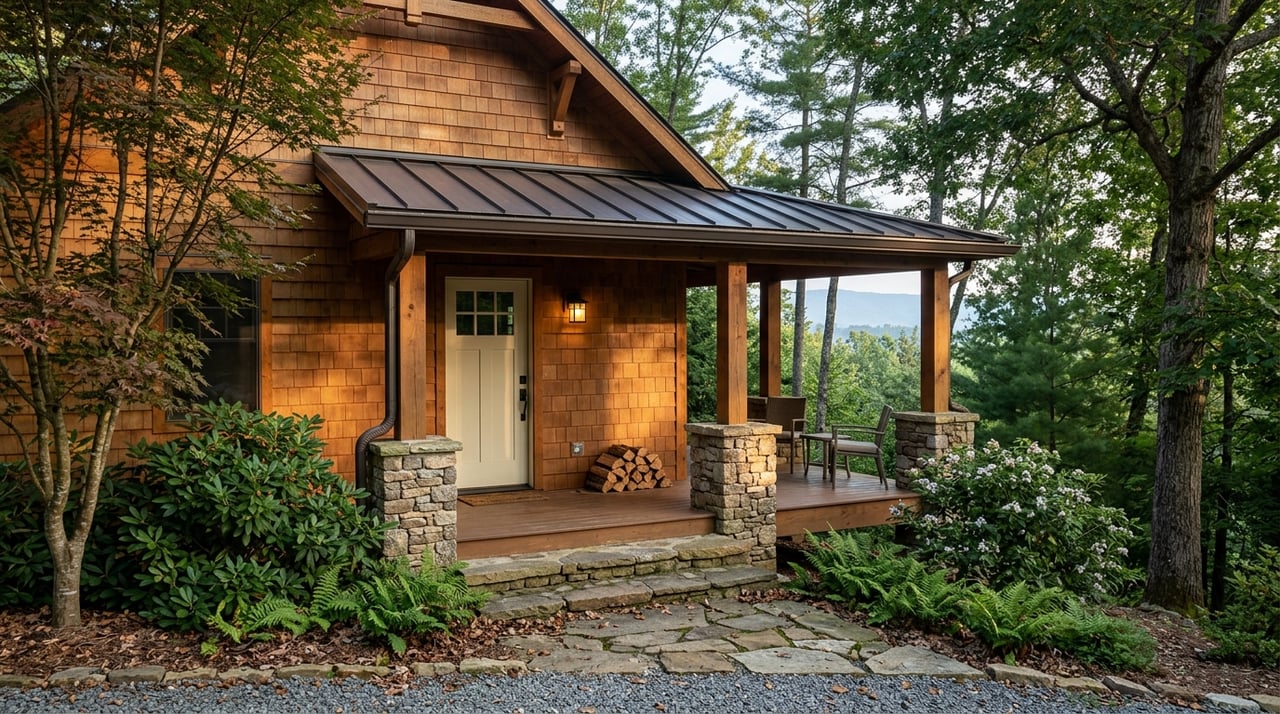
What to Know About Owning a Cabin Near Great Smoky Mountains
June 4, 2026
June 4, 2026
Buying a cabin near the Great Smoky Mountains can feel like buying a getaway and a business opportunity at the same time. That mix is exciting, but it also comes with real day-to-day responsibilities that many buyers do not fully see at first. If you are thinking about owning in the 37738 area or elsewhere in Sevier County, it helps to understand how tourism, weather, access, and local rules shape the experience. Let’s dive in.
Owning a cabin near the Smokies is different from owning a typical home in a commuter-based market. Great Smoky Mountains National Park covers 522,427 acres and welcomed more than 12 million recreational visits in 2024, with more than 420,000 camper nights in developed campgrounds and more than 71,000 backcountry overnight visits. That level of visitor activity helps explain why nearby Gatlinburg, Pigeon Forge, and Sevierville are so closely tied to tourism, outdoor recreation, dining, shopping, and seasonal events.
If you are buying for personal use, that means your cabin will sit in a very active visitor market. If you are buying with short-term rental goals in mind, demand is often shaped more by park travel patterns and nearby attractions than by local job centers. In other words, your cabin is part of a tourism-driven market, not a standard suburban one.
One of the biggest things to expect is seasonality. The national park is open 24 hours a day, 365 days a year, but some roads, campgrounds, picnic areas, visitor centers, and historic sites follow seasonal schedules or may close temporarily because of weather or construction. Several roads also have defined opening windows and can be affected by snow, ice, or muddy conditions.
That matters because your ownership experience will not feel the same every month. Spring wildflowers, dense summer greenery, fall color, and winter mountain views all attract visitors for different reasons. A cabin near the Smokies can be appealing year-round, but occupancy, access, and guest expectations often shift with the season.
Elevation plays a big role in the Smokies. According to the park, temperatures can vary by 10 to 20 degrees between the mountain base and the mountain top. Rainfall averages about 55 inches a year in the lowlands and about 85 inches at Kuwohi, while winter storms in higher elevations can bring up to two feet of snow.
For you as an owner, that means more than just packing a jacket. It can affect road access, driveway conditions, roof edges, gutters, drainage, and the timing of maintenance. A cabin that looks simple to manage in photos may need much more weather-related attention than a lower-elevation home.
If you plan to rent your cabin, it helps to understand how most visitors use the area. Many guests see a Smokies cabin as a home base for a mixed trip: time in the park, time in town, then a relaxing evening back at the property. Gatlinburg, Pigeon Forge, and Sevierville all market that blend of outdoor access, dining, attractions, shows, shopping, and seasonal activities.
That means guests are not just booking a place to sleep. They are booking convenience, access, and a mountain experience. Buyers often do best when they think about how the location fits that full itinerary.
The park does not charge an entrance fee, and there is no timed-entry reservation system. Still, any vehicle parked in Great Smoky Mountains National Park for more than 15 minutes needs a parking tag. Current tag pricing is $5 daily, $15 weekly, and $40 annually.
This may sound minor, but it shapes the guest experience. Parking tags do not guarantee a parking spot, and the park advises visitors to arrive early on busy days or later in the afternoon. If you own a cabin that serves overnight visitors, clear pre-arrival communication about this process can make a real difference.
Many out-of-area buyers assume a mountain cabin stay works like a suburban vacation rental. In reality, cell coverage is extremely limited or nonexistent in much of the park. The park also reminds visitors to prepare for curvy mountain roads, especially after dark.
For owners, this means communication needs to be proactive. Clear directions, offline map suggestions, arrival instructions, and realistic travel expectations are part of running a cabin smoothly. Even if your property itself has solid service, the surrounding travel experience may not.
Pets are another common point of confusion. In the national park, pets are allowed in campgrounds, picnic areas, and along roads if they are on a leash no longer than 6 feet. However, only two trails allow leashed pets: the Gatlinburg Trail and the Oconaluftee River Trail.
If you are buying a pet-friendly cabin, this does not mean guests can bring dogs on most park hikes. Clear expectations matter here. It helps avoid frustration and supports a smoother guest experience.
A cabin near the Smokies can be beautiful, but it usually is not low-maintenance. The combination of steep terrain, changing weather, and wildlife means owners need to think beyond ordinary home upkeep. In this market, maintenance is part of ownership, not an occasional project.
That is especially true if you plan to rent the property. Guests may only see the cozy porch and mountain view, but behind the scenes, the work often includes routine property checks, weather prep, and consistent communication.
Black bears are a real part of life near the park. Great Smoky Mountains National Park says about 1,900 bears live there, across all elevations, and it has the densest black bear population in the country. Park guidance stresses secure trash storage, not feeding wildlife, locking vehicles, and keeping at least 50 yards away from bears.
For cabin owners, this is not just useful information. It is part of daily operations. Dependable trash handling and clear guest instructions are essential, especially for properties that host visitors unfamiliar with mountain wildlife.
If your property is within Gatlinburg city limits, this issue becomes even more visible because the city has an animal-resistant dumpster program and BearWise guidance for reporting nuisance bears at homes, rental properties, or businesses. Even outside city limits, bear-aware property management is part of the local ownership culture.
Cabins in this area often need more attention to drainage, driveways, gutters, and winter access than buyers expect. Snow, ice, rain, and muddy conditions can all affect how a property performs over time. Because conditions can change quickly with elevation, one cabin may have a very different upkeep pattern than another just a short drive away.
This is one reason local knowledge matters so much in the Smokies. A property’s setting, access, and exposure can change the ownership experience in practical ways.
If you plan to use your cabin as an overnight rental, local compliance is a major part of ownership. In unincorporated Sevier County, a short-term rental permit is required for overnight rental units. The permit is valid for 12 months pending on-site inspection, and operating without a permit can lead to a daily penalty.
The county application also requires working smoke alarms, carbon monoxide alarms, and at least one fire extinguisher on each level. These are basic but important parts of getting a property ready for guests. If you are buying with rental plans in mind, you should expect compliance to be part of your startup checklist.
Not every cabin near the Smokies falls under the same rules. In Gatlinburg city limits, overnight rentals require a Tourist Residency Permit and proper zoning. Tennessee Department of Revenue guidance also says short-term rental units are subject to state sales tax and local occupancy-tax rules, with different remittance treatment depending on whether bookings come directly or through a marketplace.
The big takeaway is simple: a Smokies cabin is not one standard legal category. The exact parcel location and how bookings are handled can affect what you need to do as an owner.
It is easy to fall in love with the dream of a mountain cabin. There is a lot to love, from changing seasonal views to easy access to the park, attractions, dining, and events in Gatlinburg, Pigeon Forge, and Sevierville. But the most successful owners usually pair that excitement with a realistic plan.
If you buy here, expect an ownership experience shaped by tourism, weather, road conditions, wildlife, and local permitting. Expect to communicate clearly, stay ahead of maintenance, and understand that one property may perform very differently from another based on location, access, and setup. That practical mindset can help you enjoy the lifestyle while making smarter decisions about the property.
If you are comparing cabins in Sevier County, it helps to work with someone who understands both the lifestyle side and the day-to-day ownership reality. For local guidance on cabins, vacation properties, and turnkey opportunities near the Smokies, schedule a consultation with Michele Harrill.
Stay up to date on the latest real estate trends.
Partner with Michele Harrill for a seamless, professional real estate experience in Tennessee. With expert market knowledge, personalized guidance, and a dedication to your success, Michele ensures that buying or selling your home is stress-free and rewarding.
Get In Touch With Michele To Learn More
807B Dolly Parton Pkwy Sevierville TN 37862