Smoky Mountain Cabin Seasonal Maintenance Checklist
April 2, 2026
April 2, 2026
Own a cabin in Sevier County, and you already know the weather does not follow a neat script. A warm week can turn into a freeze, a summer storm can expose a roof issue fast, and a vacant property can develop moisture problems before you know it. If you want to protect your cabin, lower surprise repair costs, and keep it ready for personal use or guests, a seasonal plan helps. Let’s dive in.
Cabins in the Smokies deal with more than four simple seasons. In Great Smoky Mountains National Park, temperatures can vary by 10 to 20 degrees from the mountain base to the top, and rainfall also increases with elevation. That means a cabin near Sevierville may have a different maintenance timeline than one higher up toward Gatlinburg, Wears Valley, or other elevated settings.
That is why it helps to think in planning windows instead of fixed dates. For Sevierville, National Weather Service freeze normals show a 50 percent chance of a 32-degree freeze around April 6 in spring and October 28 in fall. For many owners, early April and late October are smart markers for seasonal prep.
If your cabin sits at a higher elevation, move even earlier for winter tasks and expect a slower spring reset. The National Park Service notes that higher elevations get more snow and can see travel conditions change quickly. In practical terms, elevation should shape your checklist.
Spring is when winter damage, hidden moisture, and drainage issues tend to show up. It is also one of the best times to catch small problems before summer heat and humidity make them worse.
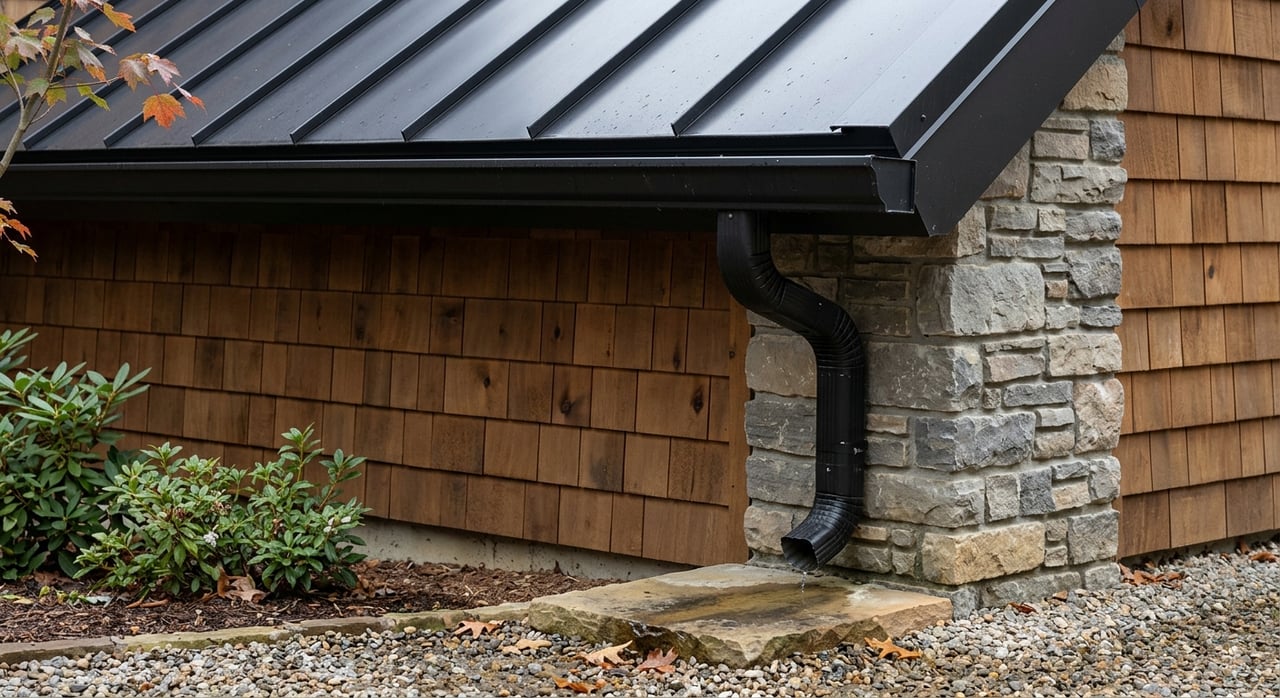
Start outside with the roofline and water flow. Inspect the roof, flashing, gutters, downspouts, and the ground around the foundation after winter weather. The EPA recommends cleaning and repairing gutters regularly, and the DOE notes that downspouts should direct water away from the house.
Look for loose materials, overflowing gutters, erosion near the foundation, and any place water may be collecting. In a mountain setting, fast runoff can create damage quickly if drainage is ignored.
Moisture is one of the biggest cabin issues in Sevier County. Check crawlspaces, ceilings, walls, and soft furnishings for damp spots, staining, or musty odors. According to the EPA, wet materials should be dried within 24 to 48 hours, and indoor humidity should stay below 60 percent, ideally between 30 and 50 percent.
If your cabin was closed for part of the winter, pay extra attention to hidden areas. A small leak or trapped humidity can turn into a larger repair if it sits too long.
Before summer arrives, get the cooling system ready. Energy Star recommends checking HVAC filters once a month during heavy-use periods, and the EPA advises keeping AC drip pans clean and drain lines clear. A spring check gives you time to fix issues before hot, humid weather arrives.
This is especially useful if your cabin serves as a second home or short-term rental. Comfort problems during peak season are harder and more expensive to deal with in a hurry.
Spring cleanup is about more than curb appeal. Ready.gov recommends removing leaves, dead vegetation, and other combustible debris near the structure. The National Park Service also reports that the Smokies average about two lightning-caused forest fires each year, usually in late spring to early summer.
A simple cleanup pass can reduce fire risk and make it easier to spot exterior problems. It also helps keep porches, decks, and walkways safer and more usable.
Summer in the Smokies brings heat, humidity, and frequent rain. For many owners, it is also a high-use season, which makes preventive maintenance even more important.
Cabins work harder in summer, especially when occupied often. Keep up with monthly filter checks and schedule annual HVAC service. Energy Star recommends monthly filter checks during heavy-use months and a yearly tune-up.
If airflow feels weak or indoor humidity seems high, do not wait. Cooling issues can affect comfort, utility costs, and moisture control all at once.
Summer moisture problems are not always obvious. Check windows, ceilings, bathrooms, utility areas, and crawlspaces for condensation, dampness, or signs of a slow leak. The EPA makes the point clearly: mold control is moisture control.
In cabins, especially those left vacant between stays, a hidden drip or trapped humidity can do damage quietly. Quick checks after guest stays or storms can save you from larger repairs later.
Summer thunderstorms can test your cabin fast. The National Park Service says summer in the Smokies often brings heat, haze, humidity, and frequent precipitation. After a heavy rain, inspect the roof, gutters, downspouts, and drainage paths again.
This does not need to be complicated. A simple walkaround can help you catch overflow, splashback, standing water, or early signs of an interior leak.
Wooded lots are part of the appeal of a Smoky Mountain cabin, but overgrowth can create extra maintenance and safety issues. Keep the perimeter tidy and trim back vegetation where needed. Wildfire guidance from Ready.gov still matters in summer, especially when dry debris accumulates.
Regular trimming also improves access for inspections, pest control, and exterior upkeep. It is a small task that supports a lot of other systems.
Fall is the season to think ahead. In Sevier County, it is your best chance to prepare before freeze risk, heating season, and winter access issues begin.
Do not wait for the first cold snap. A practical planning window is before late October, based on Sevierville freeze normals. The DOE recommends insulating accessible hot-water pipes, especially near the water heater, and notes that uninsulated pipes near exterior walls can burst in freezing weather.
If your cabin is vacant part of the year, this step matters even more. Frozen pipe damage can escalate quickly when no one is onsite.
Small gaps can create big winter headaches. The DOE recommends caulking around pipes, drains, fixtures, and similar penetrations. Also disconnect outdoor hoses before freezing weather arrives.
These simple tasks can help protect pipes, reduce drafts, and improve heating efficiency. They are easy to overlook, but worth doing every fall.
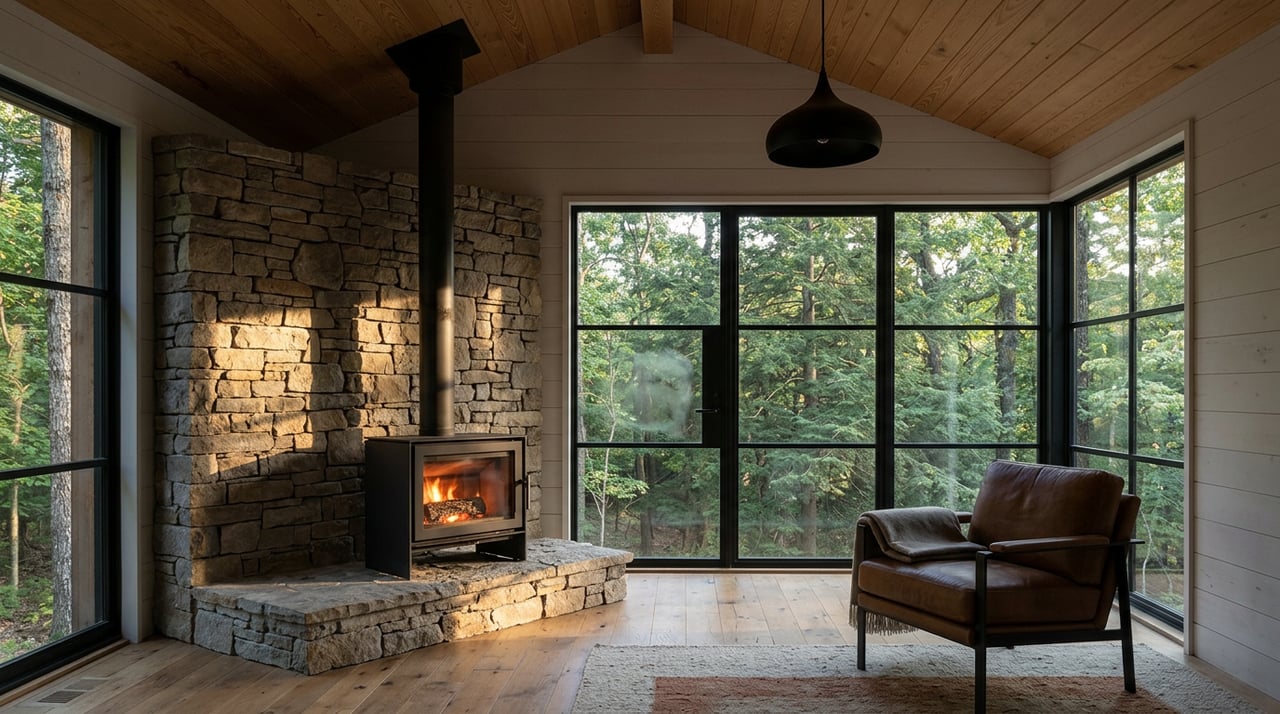
Before regular use starts, have heating systems, fireplaces, and chimneys cleaned and inspected. Ready.gov advises annual cleaning and inspection of chimneys and vents. It also recommends keeping anything combustible at least 3 feet from fireplaces, wood stoves, and portable heaters.
Cabins often lean on fireplaces and supplemental heat for comfort and atmosphere. Make sure those systems are safe before peak use.
Alarm checks should be routine, but fall is a smart reset point before heating season. Ready.gov recommends alarms on every level and near bedrooms, with monthly testing. Replace batteries as needed and confirm devices are working properly.
If your property hosts guests, this is one of the simplest ways to improve readiness. It is quick, inexpensive, and essential.
Falling leaves are part of mountain life, but they also create fuel near the structure. Ready.gov recommends keeping a fire-resistant zone free of leaves and debris for at least 30 feet from the home. For cabins on wooded lots, that extra clearance can be especially useful.
It also helps with drainage and keeps walkways, decks, and stairs in better shape through wet weather.
Winter is not just about cold temperatures. In the Smokies, it can also mean snow, ice, wind, power outages, and limited access. A good winter plan focuses on response as much as prevention.
Ready.gov notes that winter storms can interrupt heat, power, and communications. If you do not live nearby, make sure you know who can check on the property if a system fails. A local caretaker, property manager, or trusted vendor contact can make a major difference.
This is especially important for second homes and rental cabins. A fast response can prevent frozen pipes, moisture damage, or safety concerns.
If your cabin has a fireplace, wood stove, or space heater, follow basic safety rules every time. Ready.gov says to keep anything that can burn at least 3 feet away, use a fireplace screen, and never run a generator indoors. Generators should stay at least 20 feet from doors, windows, and vents.
Simple spacing and placement choices matter. Winter is not the season to take shortcuts.
Cabins can still develop moisture issues in winter, especially when they stay closed up. The EPA says indoor humidity should stay below 60 percent, ideally between 30 and 50 percent. Keep an eye on condensation and use ventilation or dehumidification as needed.
This can help protect wood finishes, soft furnishings, and indoor air quality. It is also one of the easiest ways to avoid mold problems in vacant periods.
If your cabin is higher up, expect more snow and quicker travel changes. The National Park Service notes that higher elevations are cooler and snowier, and winter access can become hazardous quickly. That means supplies, inspections, and winter prep may need to happen earlier than expected.
A lower-elevation timeline may not work for an upper-mountain cabin. Build in extra margin.
Remote awareness is a big advantage for off-site owners. Ready.gov explains that FEMA can send National Weather Service alerts for up to five locations. The research also notes that Sevier County EMA lists tools like CodeRED, Wireless Emergency Alerts, and NOAA Weather Radio.
If your cabin is vacant between visits or bookings, alerts help you react faster when weather changes or utilities are at risk.
If your property is also a short-term rental, add a few turnover basics to your checklist. These items help support a smoother guest experience while protecting the property.
The Smokies are bear country, so trash handling matters. The National Park Service says garbage and food scraps should be stored in bear-proof containers or removed properly. For cabins, that means no exposed trash, no food left on porches, and clear guest instructions at checkout.
This is one of the simplest ways to reduce nuisance visits and protect both guests and property.
Before each arrival, check smoke and carbon monoxide alarms, batteries, flashlights, exterior lighting, and communication devices. Ready.gov recommends alarms on every level and near bedrooms, along with charged devices before severe weather.
A short turnover checklist can prevent a lot of avoidable stress. It also helps your cabin feel professionally managed and ready to use.
Mountain weather can change quickly, and guests may not know what to expect. Include a short note explaining how to receive alerts and who to contact locally if roads, water, or power are interrupted. In a place where weather can shift fast, basic information goes a long way.
For remote owners, a simple handoff system with a local property manager or caretaker can also make seasonal maintenance much easier. That is especially helpful in Sevier County, where freeze windows, heavy rain, snow, and outages can all affect a cabin outside a narrow seasonal schedule.
A Smoky Mountain cabin can be a personal retreat, an income-producing property, or both. Either way, staying ahead of seasonal maintenance helps protect the cabin itself, reduce surprise repairs, and keep the property ready for the next stay or the next season.
If you are buying, selling, or evaluating a cabin in Sevier County, working with someone who understands mountain property upkeep can help you make better decisions. If you want practical guidance on cabins, second homes, or investment properties in the Smokies, connect with Michele Harrill.
Stay up to date on the latest real estate trends.

Partner with Michele Harrill for a seamless, professional real estate experience in Tennessee. With expert market knowledge, personalized guidance, and a dedication to your success, Michele ensures that buying or selling your home is stress-free and rewarding.
Get In Touch With Michele To Learn More

807B Dolly Parton Pkwy Sevierville TN 37862