Smoky Mountain Cabin View Types Explained
July 23, 2026
July 23, 2026
If you have ever looked at Smoky Mountain cabin listings and wondered what a “mountain view” or “wooded setting” really means, you are not alone. In Sevier County, view descriptions can sound simple, but the land itself is anything but simple. By the end of this guide, you will know how to read common cabin view labels, what each setting may feel like in real ownership, and what to check before you buy. Let’s dive in.
The Great Smoky Mountains National Park covers 522,427 acres and ranges from 876 feet to 6,643 feet in elevation. It also includes more than 2,100 miles of streams and rivers. That wide range in elevation and terrain is a big reason one cabin’s “view” can look very different from another, even when both are in the same ZIP code.
In the Smokies, a view is shaped by more than distance. Slope, tree cover, ridge lines, and what sits across the valley all affect what you see from a deck or wall of windows. Seasonal haze and fall color timing can also change how open or dramatic a view feels throughout the year.
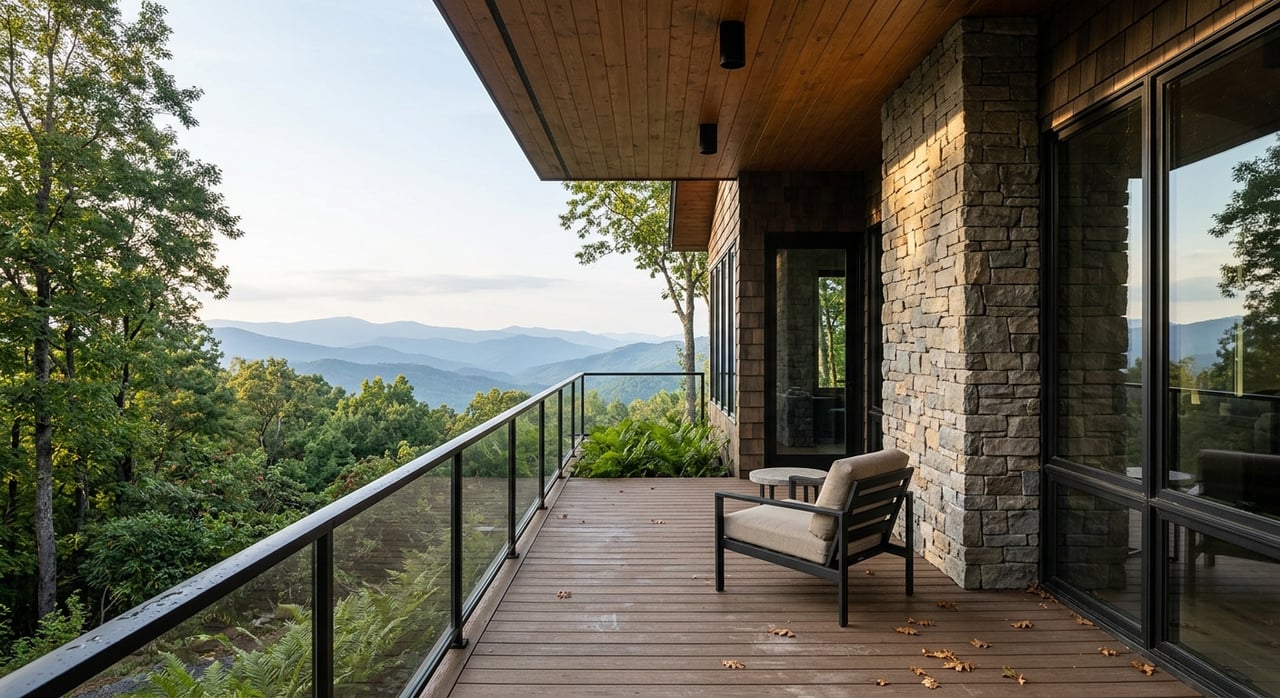
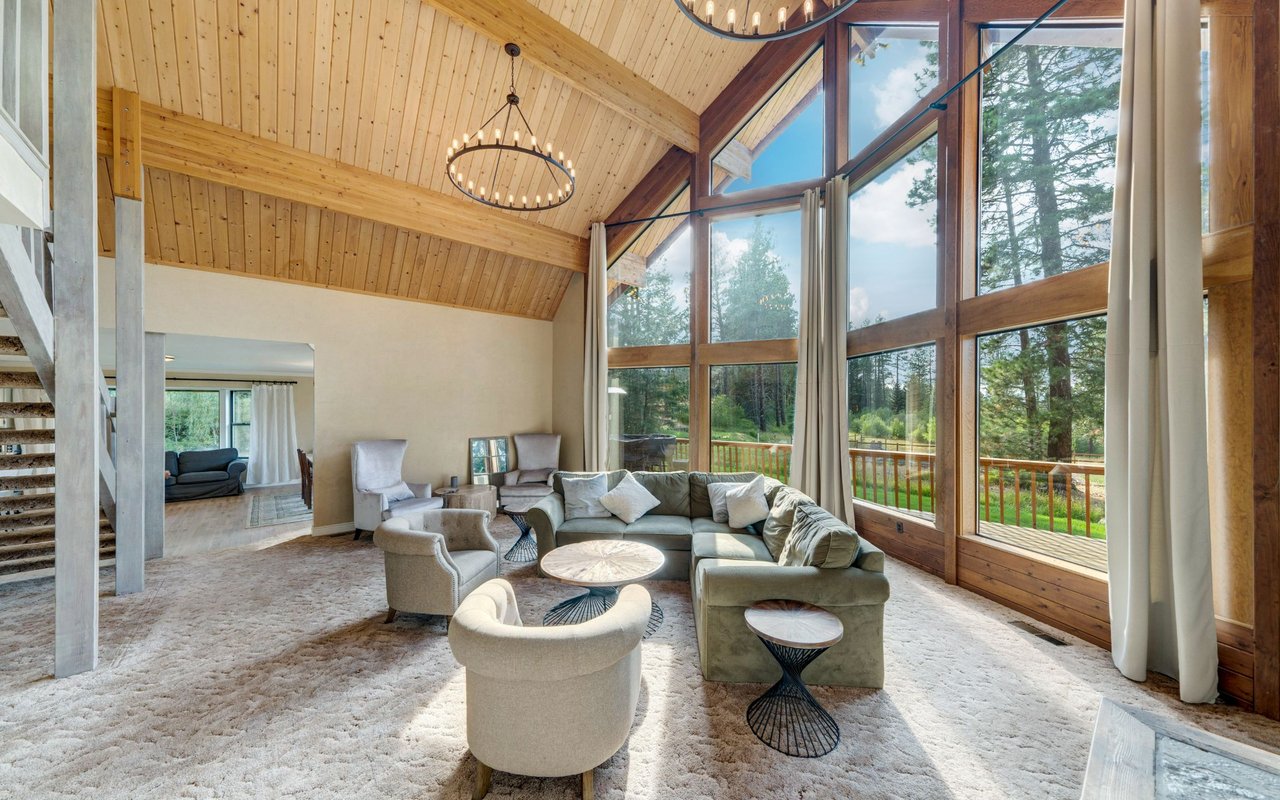
A long-range mountain view usually means you can see distant ridges, layered peaks, or a broad mountain skyline. This is the classic postcard look many buyers picture when they start shopping for a cabin in Sevier County. It often feels expansive and dramatic, especially from higher elevations or lots with a more open sightline.
That said, these views are not always static. Forests recover, trees grow, and sightlines can become more filtered over time. In the Smokies, vegetation changes with elevation and slope, so the same property may feel more open in one season and more screened in another.
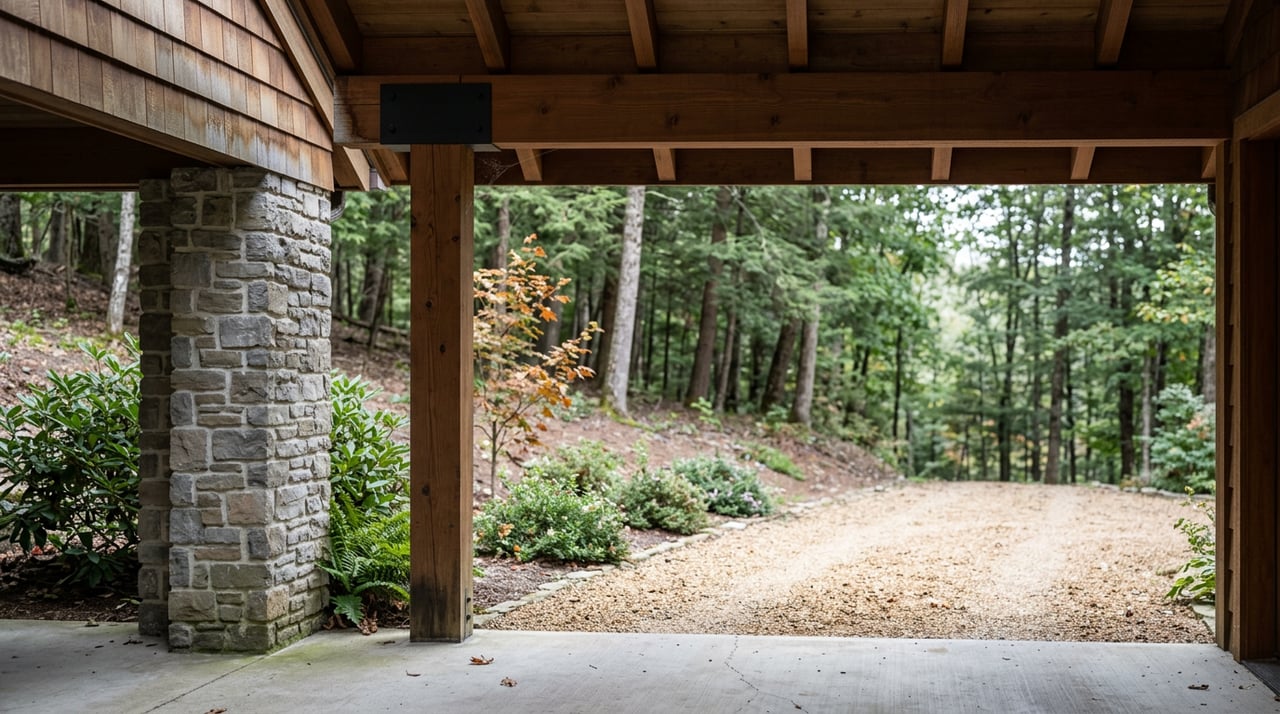
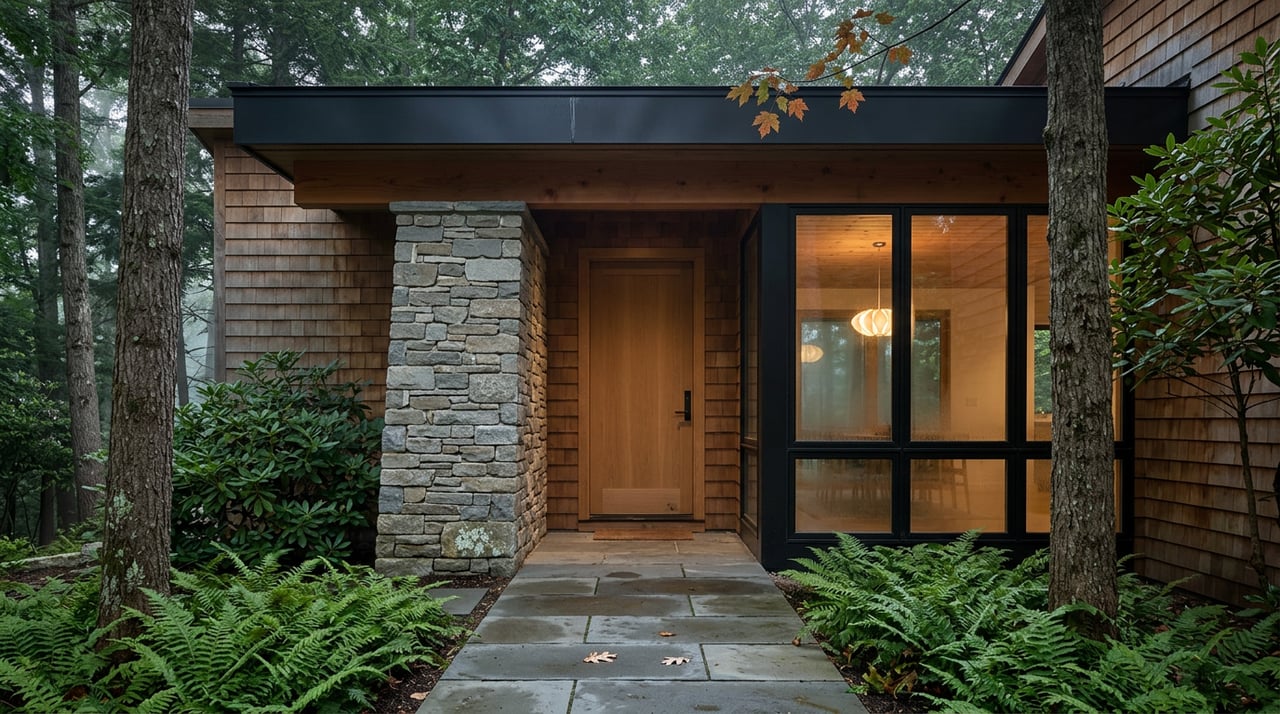
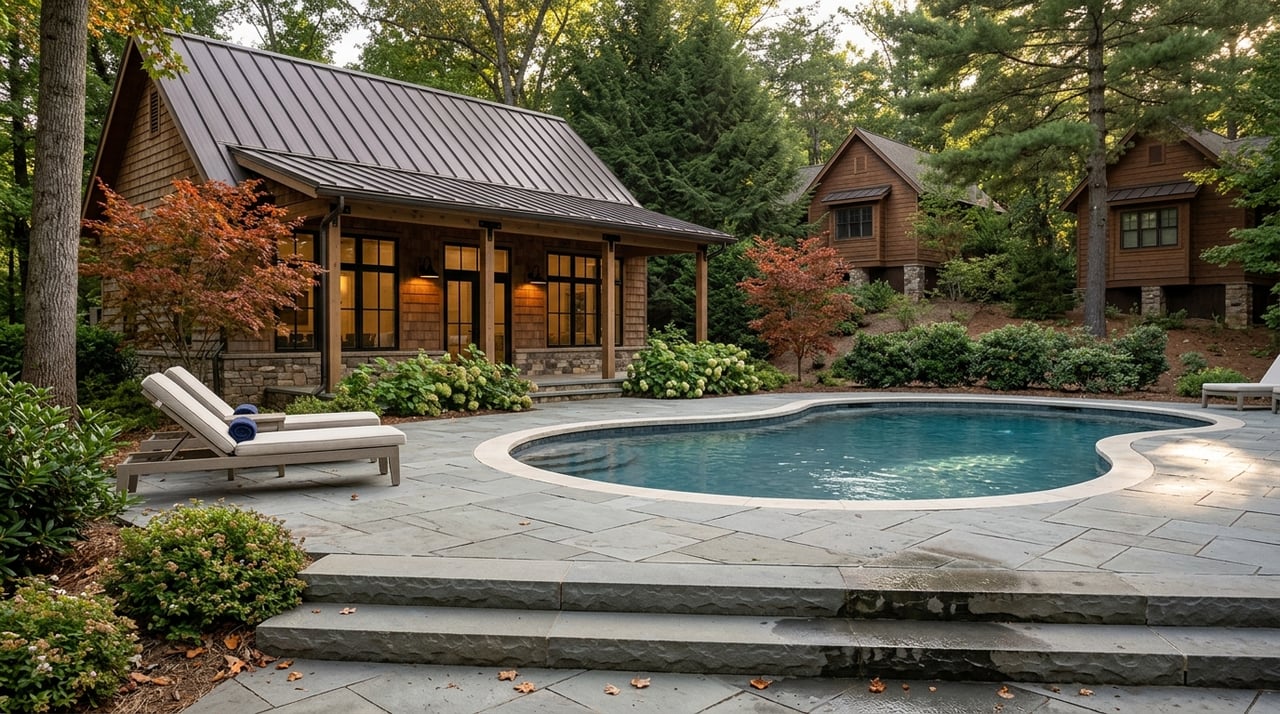
A wooded privacy setting usually means heavier tree cover and more visual screening from nearby homes or roads. Instead of a sweeping ridgeline, your main experience may be a quiet forest backdrop, mature trees, and a tucked-away feel. For many buyers, that sense of seclusion is the feature.
This is especially common in the Smokies because forested landscapes dominate the area. In fact, the park’s major forest types cover 96% of its land area. That makes wooded settings a very real part of the local cabin experience, not just a listing phrase.
A wooded lot can feel peaceful and private, but it also tends to come with more ongoing upkeep. Shaded areas may collect more leaves, branches, and debris. Local fire departments in the area also stress wildfire readiness, defensible space, and fire-resistant landscaping for homes in mountain settings.
If you are considering a wooded property, it helps to think beyond the photos. Ask how the lot has been maintained, how close the home sits to dense vegetation, and what access might look like during dry or stormy periods.
Creek frontage, streamside, or water view usually means the property borders or overlooks a creek or stream. In the Smokies, that can add a lot of atmosphere. The sound of water, the green setting, and the feeling of being close to nature are all part of the appeal.
Still, a creek is not just a scenic bonus. It is also a drainage and floodplain question. Sevier County subdivision regulations require drainage easements, erosion control, and flood-aware design, and they note that land subject to flooding or topographic limitations should not be treated casually for occupancy.
For creek-front or streamside cabins, the practical side matters as much as the visual side. A property can be beautiful and still require closer review for drainage and flood exposure.
A park-adjacent or near-park setting usually highlights location more than one specific view type. In many cases, it means easier access to park entrances, scenic drives, trails, or the broader national park experience. For second-home buyers and vacation rental shoppers, that convenience can be a major draw.
The park is also a huge part of the local economy and visitor demand. It welcomed more than 12 million recreational visits in 2024, and visitors spent an estimated $2.0 billion in nearby gateway communities that year. That helps explain why cabins near major visitor routes and park access points often stand out to both lifestyle buyers and investors.
Close-to-park locations can be attractive, but they may also come with more seasonal traffic and access complications. October is the park’s busiest month, and travel times can stretch much longer than usual. Some mountain roads are also seasonal or affected by weather, steep grades, or vehicle restrictions.
GPS can also be less reliable in mountain areas where cell coverage is limited. For buyers, that means location value should be weighed alongside road access, seasonal traffic, and the ease of getting to and from the property.
If you plan to use a cabin as a short-term rental, the right view is often about more than beauty alone. It is really about the full guest experience, including scenery, access, and the overall Smoky Mountain feel. In park visitor research, 84% of summer visitors rated scenic views as extremely important, and 74% said clean air was extremely important.
That helps explain why long-range mountain views and park-adjacent settings often market well. They match what many travelers already want from a Smoky Mountain trip. Creek settings and wooded privacy can also be appealing, especially for guests looking for a more tucked-away stay.
If your goal is strong visual marketing, a ridgeline or panoramic view may have the clearest impact in photos. If your goal is quiet seclusion, a wooded cabin may fit better. If you want a sensory experience, creek frontage can be very memorable.
The best fit depends on how you plan to use the property. A second home, a part-time rental, and a full investment property may each point to a different kind of setting.
In Sevier County, cabin views should always be paired with practical review. Before you move forward, it helps to confirm how the property fits your intended use and what the setting may require over time.
Here are four smart areas to review:
Jurisdiction and rental rules
Life-safety and occupancy compliance
Flood and drainage exposure
Wildfire readiness and access
In the Smokies, “view” is really shorthand for a bundle of trade-offs. You are choosing not just what you see, but also how the property lives, how much upkeep it may need, and how guests or future buyers may experience it.
Long-range mountain views often deliver the strongest visual payoff. Wooded privacy can offer a more secluded mountain feel. Creek frontage adds atmosphere but needs careful drainage and flood review. Park-adjacent settings often win on convenience and visitor appeal.
If you are comparing cabins in Sevierville, Gatlinburg, Pigeon Forge, or Wears Valley, it helps to look past the label and ask what the setting really means day to day. For practical guidance on buying or evaluating Smoky Mountain cabins, connect with Michele Harrill.
Stay up to date on the latest real estate trends.
Partner with Michele Harrill for a seamless, professional real estate experience in Tennessee. With expert market knowledge, personalized guidance, and a dedication to your success, Michele ensures that buying or selling your home is stress-free and rewarding.
Get In Touch With Michele To Learn More
807B Dolly Parton Pkwy Sevierville TN 37862