The Date That Decides Whether a Pigeon Forge Cabin Can Legally Rent Nightly
September 17, 2026
September 17, 2026
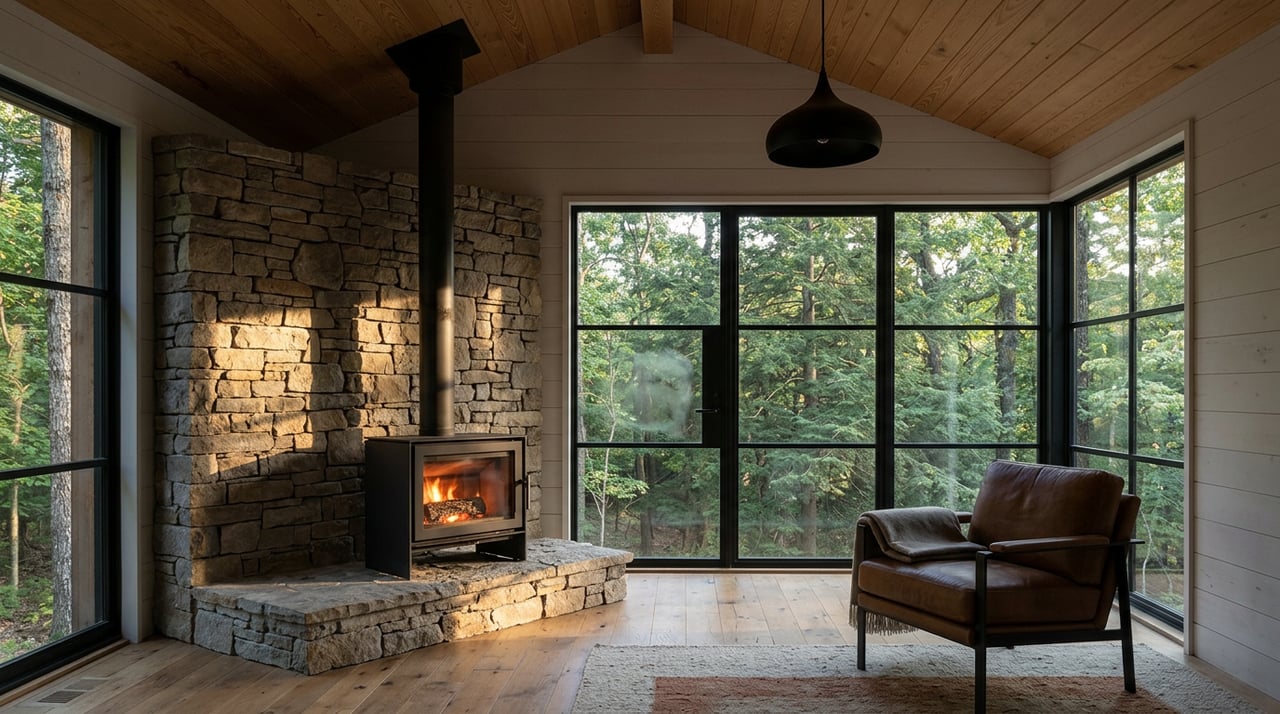
Picture two nearly identical three-bedroom cabins on the same street in a Pigeon Forge R-1 subdivision. Same square footage, same hot tub, same view of the ridge. One can legally host a paying guest tomorrow night. The other cannot, no matter how good the listing photos look or how many five-star reviews a previous owner racked up. The difference has nothing to do with condition, price, or location. It comes down to a single date buried in the zoning code: August 13, 2018.
That is the day the city added Section 511 to Article V of its zoning ordinance, and it is the line that separates a legal short-term rental in an R-1 district from a house that only looks like one. If a property in an R-1 zone was already operating as a short-term rental on or before that date, it can keep going under grandfathered status. If it started after, no new short-term rental permits are issued in R-1, full stop. New construction and new investors in that zoning district are locked out of nightly rental use entirely, regardless of what the seller tells you the cabin has been doing on Airbnb.
Here is the part that catches buyers off guard even when they know the date exists. The R-1 grandfathered permit is tied to continuous operation, not to the property in perpetuity. It has to keep running as a short-term rental to hold its status, and it does not simply pass to a new owner at closing the way a certificate of occupancy does. Buyers who assume a currently active, currently booked Airbnb listing means the legal question is settled are making a bet the ordinance does not support.
One Pigeon Forge investor who owns four short-term rentals in the area put it plainly in an industry roundup on local regulations:
"The R-1 restriction caught many investors off guard."
She went on to describe deals that fell apart entirely after the fact, once buyers realized a cabin's rental history did not automatically carry over into a legal permit under their name. That is not a hypothetical. It is a pattern of contracts that unraveled after the zoning question surfaced late. A mailing address that says Pigeon Forge tells you nothing about which side of that August 2018 line a specific parcel sits on. That has to come from the city's Community Development Office, and it has to happen before you write the offer, not after.
Even outside R-1, in zoning districts where new short-term rental permits are issued, Pigeon Forge layers on a building-code trigger that surprises buyers looking at larger group cabins. A structure proposed for overnight rental use needs plans sealed by a Tennessee-registered architect or engineer. And if the cabin has more than five sleeping rooms, sleeps 12 or more guests, runs past 5,000 square feet of gross area including decks, or rises above three stories, it has to meet R-1 hotel and motel building standards, not standard residential code. Sprinklers, exit counts, and guardrail heights all get evaluated against a stricter bar.
This is the detail that turns an appealing nine or ten bedroom investment lodge into a longer due-diligence process than a smaller cabin down the road. It is not a reason to avoid larger properties. It is a reason to ask about the engineering documentation early, because retrofitting a building to hit those standards after closing is a different budget conversation than confirming it was built to them from the start.
| Zoning situation | What it means for a nightly rental |
|---|---|
| R-1, operating before August 13, 2018 | Grandfathered permit may continue, tied to continuous operation and non-transferable at sale |
| R-1, no rental history before that date | No new short-term rental permits issued, regardless of current use |
| R-2 and higher, or commercial | New short-term rental permits generally available |
| Any zone, structure over 5,000 sq ft, 12+ occupants, or 3+ stories | Requires architect or engineer-sealed plans and hotel/motel building standards |
Zoning is not the only place where a property's rental strength works against the buyer. Walk into any of Pigeon Forge's resort-style condo buildings, places like Whispering Pines, Riverstone Resort, Mountain View Condominiums, or Bear Crossing, and you'll find units that lean hard into the vacation-rental identity: on-site rental management, nightly booking programs, resort amenities like lazy rivers and full-service spas. That is exactly the operating model that Fannie Mae and Freddie Mac guidelines exclude from standard financing. A building managed and marketed like a hotel, with high investor concentration and daily or weekly rental activity, gets classified as non-warrantable, sometimes called a condotel.
That classification does not kill the deal, but it changes it. Buyers typically need a portfolio or non-QM lender instead of a conventional mortgage, and those loans commonly run 20 to 25 percent down or higher, sometimes more depending on the specific reason the building is non-warrantable. A one-bedroom unit at a building like Mountain View Condominiums, priced in the mid $300,000s as of mid-2026 based on listing data, can require a meaningfully larger check at closing than the price tag alone suggests once the financing type is factored in.
Layer HOA dues on top. Monthly fees at Pigeon Forge condo complexes commonly run in the $200 to $500 range depending on the building and amenity package, covering everything from water and cable to pool and clubhouse upkeep. None of that is a red flag on its own. It becomes a problem only when a buyer discovers the financing category and the fee structure after they are already under contract, on a timeline that assumed a conventional loan would close on schedule.
None of this friction is slowing demand. Recent short-term rental data from Rabbu shows Pigeon Forge's active listing count grew 176 percent year over year as of April 2026, one of the sharpest supply increases in the corridor. Estimates of what a typical listing earns vary by data source, which is normal given differing methodologies, but they cluster in a similar range: Chalet puts whole-market median annual revenue at roughly $48,776 with a median occupancy near 50 percent, while AirROI's trailing twelve-month figures through March 2026 show average annual earnings closer to $51,084. Whichever number you trust, the pull is obvious, and it explains why so many buyers are moving quickly on cabins and condos without stopping to confirm the zoning district first.
The city itself is aware the rules it wrote in 2018 may not fit the town it has become. In March 2026, Pigeon Forge kicked off Comprehensive Plan 2050, a long-range planning process covering housing, tourism, and land use over the next two decades. Community Development Director David Taylor told local reporters the city is not entering the process with a predetermined outcome, saying they want to hear from residents and a stakeholder steering committee before shaping what comes next. Nothing about the R-1 grandfather rule is confirmed to change. But a buyer purchasing based on the assumption that today's zoning line stays fixed for the next 20 years is making a bet on a process that is explicitly still being written.
Does a Pigeon Forge mailing address mean the property follows the city's zoning rules? Not necessarily. What matters is the parcel's actual zoning district as confirmed by Community Development, not the mailing address on the listing.
If I buy a grandfathered R-1 short-term rental and take a season off, do I keep the status? The grandfathered permit is tied to continuous operation. A gap in rental activity is a question worth resolving with the city before you plan around it, not after.
Is a high HOA fee the same thing as a building being non-warrantable? No. Those are separate issues. A building can carry modest dues and still be classified as a condotel because of how it operates and how many units are investor-owned, so ask about financing classification and HOA health separately.
If you're weighing a Pigeon Forge cabin or condo as a nightly rental and want someone who will walk the zoning and financing questions with you before you write an offer, not after, Michele Harrill can schedule a consultation and help you figure out exactly where a specific parcel stands.
Stay up to date on the latest real estate trends.
Partner with Michele Harrill for a seamless, professional real estate experience in Tennessee. With expert market knowledge, personalized guidance, and a dedication to your success, Michele ensures that buying or selling your home is stress-free and rewarding.
Get In Touch With Michele To Learn More
807B Dolly Parton Pkwy Sevierville TN 37862